

Directions
Implementing Historical Traditions
Historical Gardening methods, design and the reasons they should not be forgotten
There’s a very long, complex history to gardens that pre-dates even medieval times. Traditionally they were just another way to produce food for the family, especially during times of war, however, over time they slowly became less crop production based and more for aesthetic pleasure.
Many aspects are still worth using in a design or in the re-establishing of an over established garden. You only have to look at gardens in places like Hampton Court, Sissinghurst Castle and Great Dixter to see the many different styles used in different parts of these gardens over the years. Everything from the delicate calmness of Asian Influences, grand status-imposing Italian and French Renaissance gardens, controlled chaos of the traditional cottage garden to stylish and hot tropical houses.

In the gardens I am currently working on and have worked on, I incorporate a lot from all these areas of history to create a beautiful, structural but flowing space to relax and unwind. In the case of maintaining the garden I employ a lot of the old traditional methods, pre-chemical, as these methods have been slowly proven to produce better quality plants and a stronger biodiversity over time, which in turn, only adds to the quality of the plants. You can’t lose! In fact, it is now almost a popularity contest as to who can be the most “organic” or the most “traditional”. While this is the case, it is still vitally important for our native species as to how we build and care for our land.
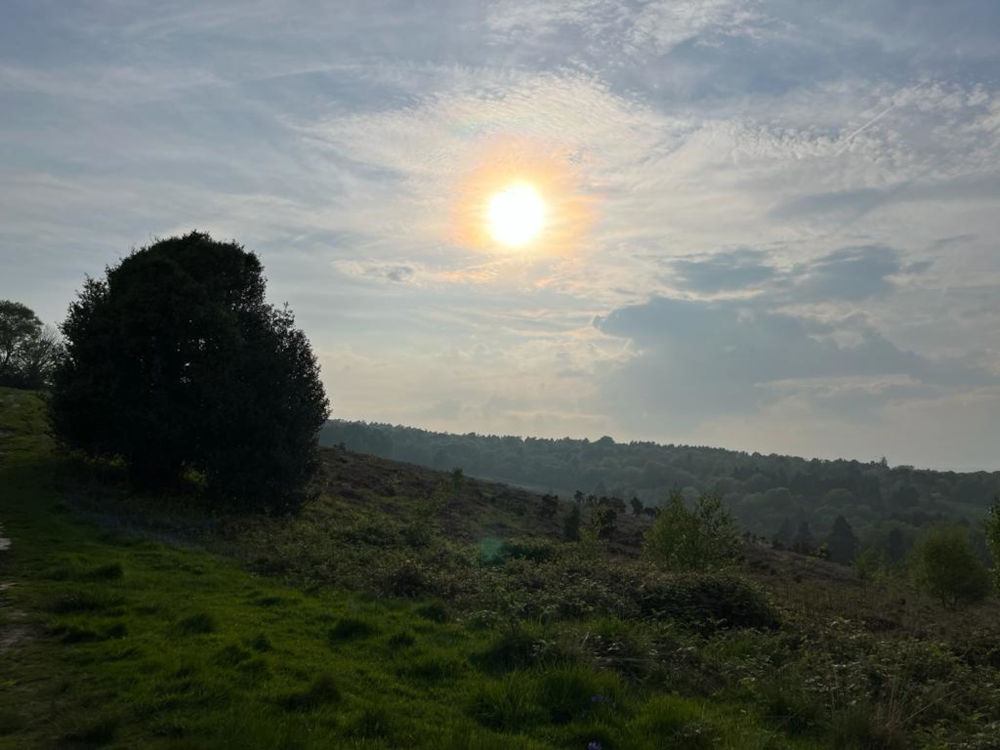
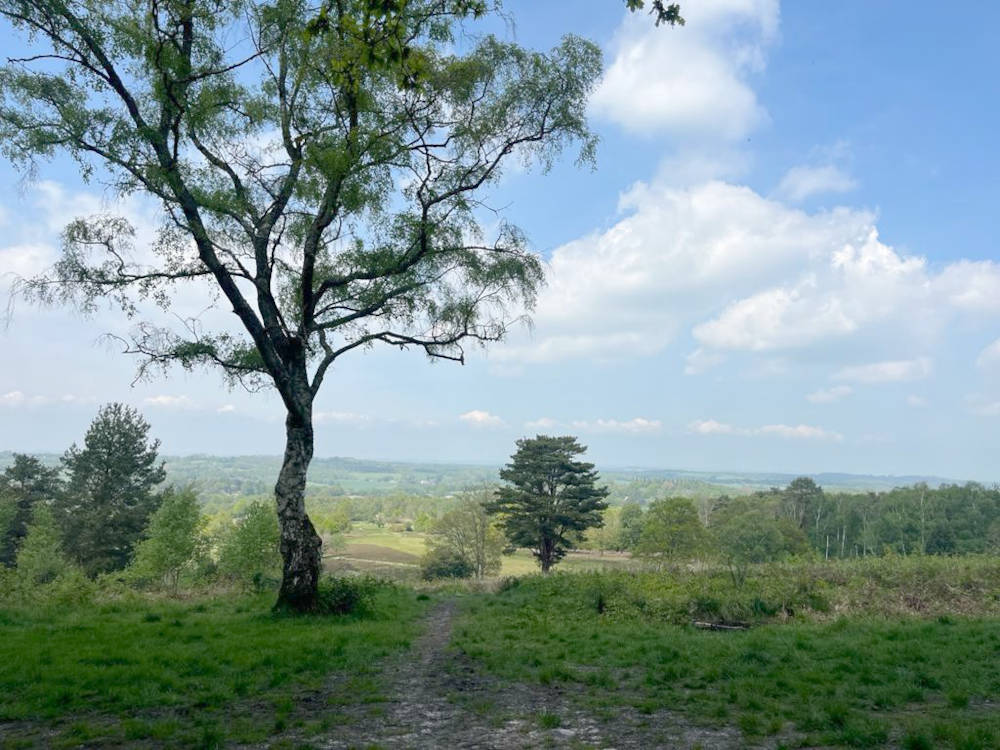
Heritage charities such as the National Trust, English Heritage and Woodland Trust have been using these methods for decades. National Trust use many historic traditions for their vast array of protected land, parks and gardens. The Woodland Trust use old-school agricultural techniques such as hedge laying, brush piling/dead-hedging or horse pull and axe, instead of chainsaw and truck, for coppicing or clearance in the management, restoration and conservation of certain parts of our woodlands and forests.
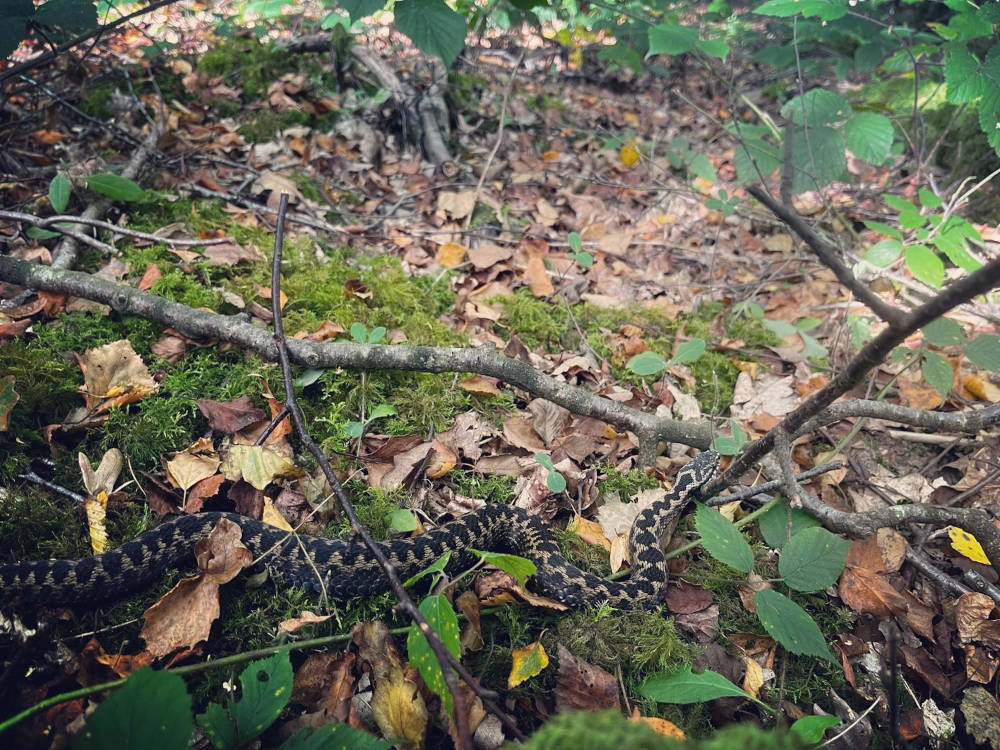
With regards to some of my regular clients who have a bit of land, I do gently encourage the use of dead hedging, stacking of brush and unuseable logs as this will help to encourage a greater biodiversity in the areas nearest to the garden. By now you can see where I’m going with this, keep the birds and mammals happy and they will, in turn, do favors for you and you’re prized cabbage or rose.
The problem, I find, with having a fully integrated Italian or Renaissance Garden in this day and age is that it is rather outdated, and ironically, not as ‘easy care’ as one might think. Constantly snipping and clipping to keep those box edged knot gardens in shape, constantly changing the planting scheme, it can become a little tedious after a while. From a personal perspective, I like to create a garden that, whilst it has a constantly evolving patten and colour scheme through the seasons, is entirely perennial and relies on the most part on nature to do its thing. A take on the practice of permaculture if you will.
With structural aspects of a garden though, there is no harm in keeping some of the old Italian and Renaissance elements like statues or metal works among your waves of Verbena bonariensis, Salvia and grasses along sweeping, river like pathways, or water features among the rolling ferns, mosses, banked by borders of fox gloves and bluebells in the spring and early summer, native or non invasive grasses curving through bounds of large iris and towering umbellifers (great for bees) only to find half way through your wander, a tasteful statue, peering out from the fluidity of your green oasis. These also help to keep a human element to your environment, add a bit of extra style if used correctly and it’s entirely down to your preferences, which makes it much more personal to you too.
Another historical element that’s worth a mention is the walled garden. These are fundamental for growing with great wind protection, and also create another safe heaven for local wildlife to seek refuge in. I love walled gardens because they’re so versatile, and in the case of towns and city suburbs, surprisingly common. The modern-day equivalent of a walled garden is a fenced in space to the front and or back of a property, there is not always the need to build a huge wall these days, unless you have enough land available to do so, to have a similar effect of keeping the wind out, heat in and making the habitat friendly.
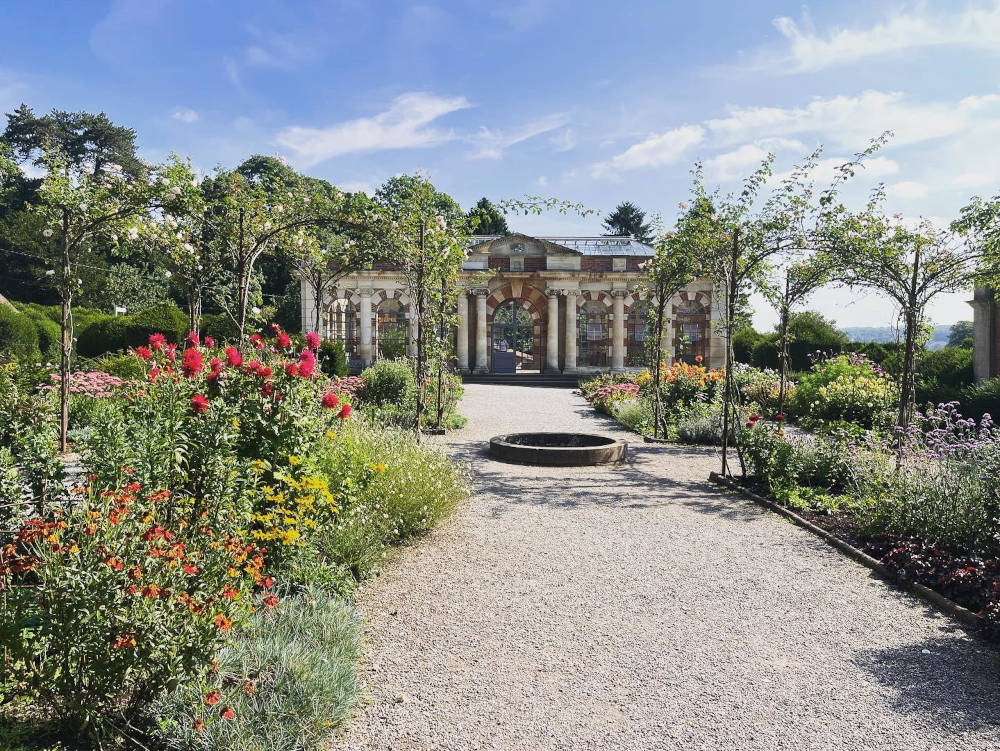
Walled gardens stretch right back through the centuries, all the way back to using a simple form of low hedge around your plots to protect your vegetables to stop you neighbour’s sheep from destroying them. Variations of a theme, onto the more modern take of a brick wall or timber fence and in the involvement of design, these are perfect for training espalier fruit trees such as Apple, Peach or Fig and so on. Fig you can almost train like a vine. Bellow this you can grow, if willing, a waving variety of meadow plants and border perennials which would only require some dead heading and a cut back once a year alongside the standard training of your selected fruit trees. With strategically placed bird housing, feeding stations, bug hotels, and even a beehive if you have the spare room, you will increase the wealth of insect pollinators to your garden, doing your own bit of rewilding but with the ability to keep it under some form of control.