

Directions
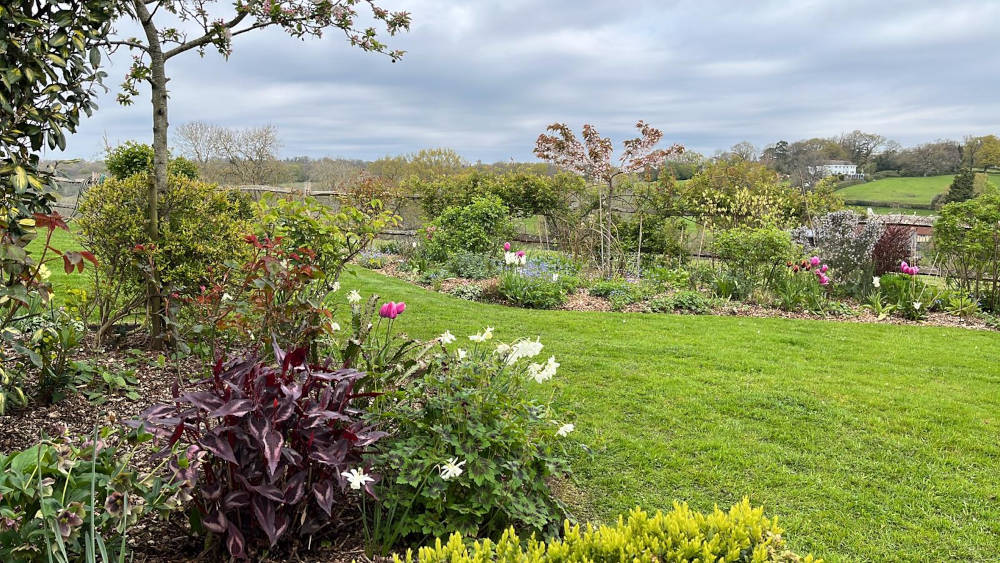
Natural Elements
The use of elements from the natural world and local environments and why it is important to involve them in constructing a garden
There are many benefits to implementing natural elements in designs and planting schemes. There are lessons to be learned still, from the importing of plants that have become invasive, Reynoutria japonica (otherwise known as Japanese Knotweed) and Cotoneaster are but a couple of examples of interesting, maybe even attractive, erroneous choices.
With regards to accidental use of invasive plants in a planting design, Buddleia (Buddleja davidii) on the other hand, is a bit of a grey area. whilst it can be “locally” invasive if not kept under control (plant well away from walls and dead head before they go to seed) they’re an outstanding shrub for insect populations, and for this reason alongside the interesting structures they can produce, they’ve escaped the issue of invasive planting. Butterflies are particularly fond of it, hence the common tongue name of butterfly bush.
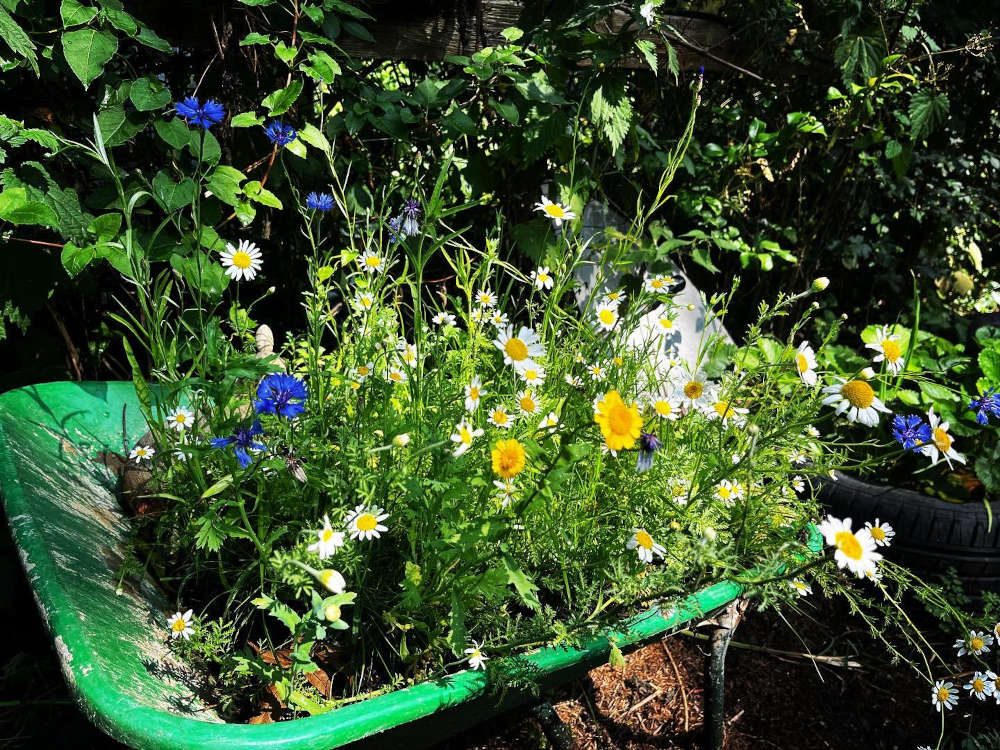
In an era where we are trying to preserve our native countryside as much as possible, it is vital to incorporate at least some of the local environmental aesthetics where suited, especially, but not exclusively in our more urban areas. With a little bit of preemptive research, you can find a multitude of native and/or noninvasive species to use in the garden. This is also exceptionally helpful in the case of local wildlife, native food for native critters!
The other aspect is the use of natural elements in a functional design. There is a beautiful chaos to the natural world around us, and it’s always a hard bargain to attempt to recreate scenic situations plucked straight from your local parkland in a small garden, but if correctly constructed, you can incorporate all the shapes, curves, natural “structural engineering” and just the shear artistry of nature into your garden no matter the size! Research is key, a little knowledge goes a long way.
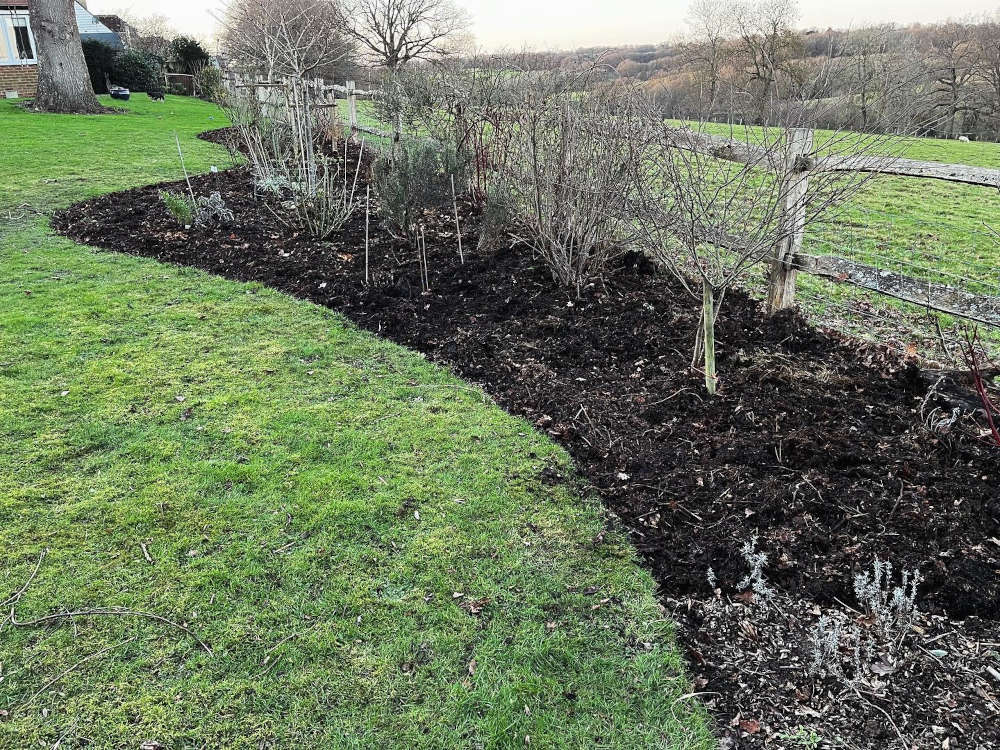
Examples of elements used in the design of a garden and it’s planting schemes are things such as woodland path rides, natural ponds and meadows, coppices and orchards. It is interesting to note that all of the previously mentioned have been altered, produced and farmed by humans for a millennium. less obvious examples would be the structural prowess of a large tree or old dead stumps, unusual rock formations, gravel beach etc.
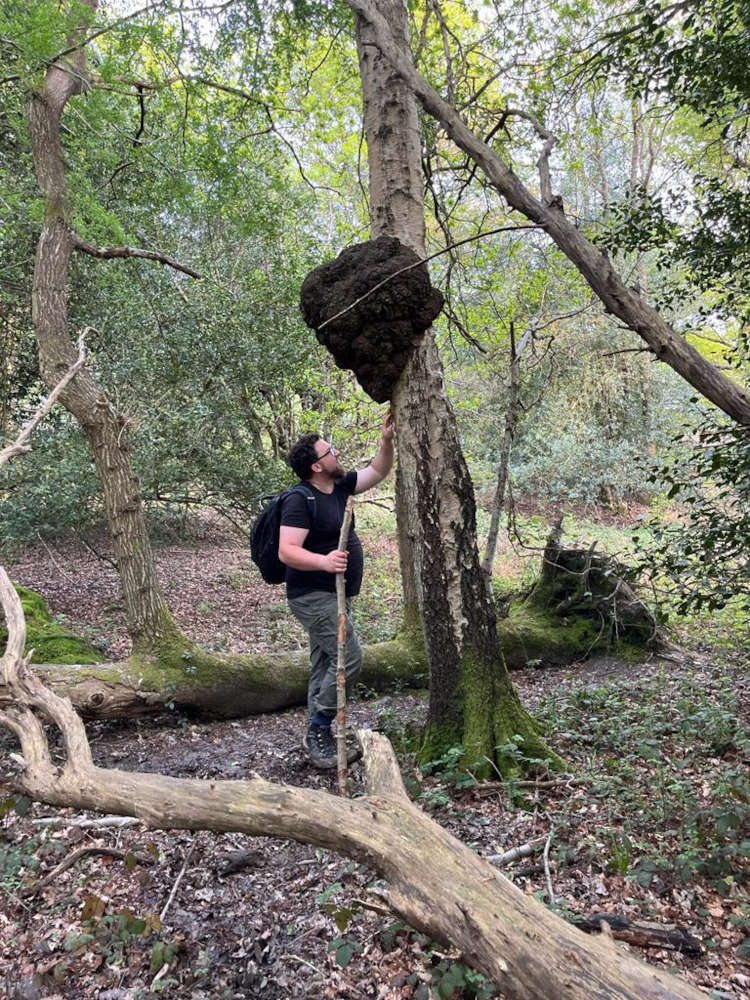
Objects such as large old tree stumps, something like chestnut for instance, can be a welcome sight due to its otherworldly structure once out of the ground thanks in part to the weaving remains of the decayed root system, placed appropriately among ferns, Iris, grasses and other lowland plants around a pond. obviously not every garden can handle a large tree, or a stump or two! So, the use of small shrubs, lawns or rockeries spring to mind as an option, but I’m personally not a fan of rockeries, or ever green shrubs, or lawns. At least in the traditional sense anyway, no one wants their garden to look like the local Tesco car park! Worth noting that if you are to have a well kept turfed area, it holds a very low value for fauna and flora to thrive in, so please, make space for the nature that lawn kicks out as a fair compromise.
In the case of smaller gardens, trees can actually still be used as the prize eye-candy centrepiece. There’s many a tree species grown via dwarf rooting stock these days to choose from, and the popularity in flowering almonds and winter cherry has boomed in recent years, both structurally attractive with a tiny bit of training and both a source of early season food for insects such as bees (very important as we know).
I’ve recently started involving “dead hedging” into some designs, and have found it very efficient in creating not only a haven for all creatures great and small (hedgehogs love it and it promotes a slow natural decomposition of wood, which is attractive to almost all of our native beetles and even slow worms) but also surprisingly versatile, you can create entire sculptures out of dead brash! you can go a step further and use willow lengths, which take root and produce a lovely green finish in the warm seasons.
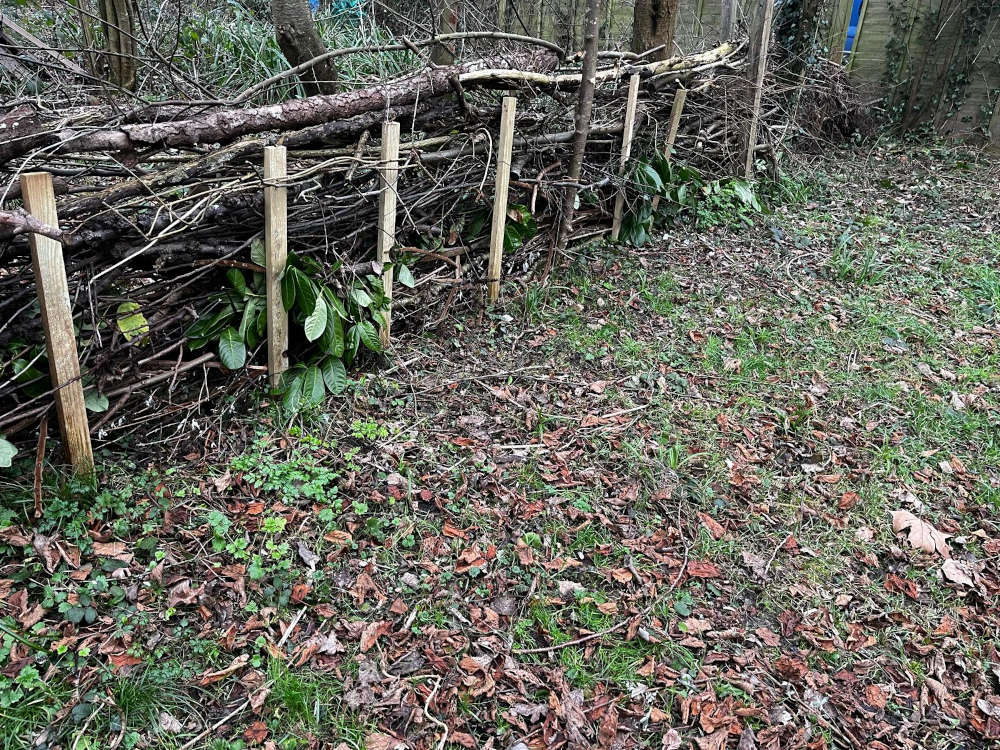
Dead hedging, seriously compliments any woodland-like narrative you’re attempting in your garden and it’s also one of the many historical elements that are gradually being bought back to mainstream gardening/woodland management/nature reserves and general agriculture to name a few.
In conclusion, involving the natural elements around us can be highly rewarding, you can pull order out of chaos in a garden, without it looking to clinical.