

Directions
No Dig, Grow Big
Organic Gardening, Veg production and the no-dig no-chem connection
There’s a lot of terms, phrases and ideologies thrown around these days with regards to organic gardening. Before we embark on this topic, it’s worth remembering what the roots of the word are – Organic; Meaning, related to or derived from living matter, or, crop production without the use of artificial (man-made) chemicals – With this in mind, this also somewhat relates to using natural elements again. Think of it as a form of recycling.
From my own personal experience, I have found that to get my garden up to the status I want it to be for the year, the four main points have been to stop digging, only when and where it is necessary to dig, such as removal of brambles or to hand weed a veg plot but even then, only dig to where you need to (veg plots may benefit from a dig on rotation, say every 3 years, to regenerate the older soil below the top layers and mix the older layers of mulch deeper into the ground). Generally speaking, though, the old methods of double digging don’t have much use and only serve to damage the soil if applied too regularly, a single dig method is fine; that is to dig the depth of the spade and no more.
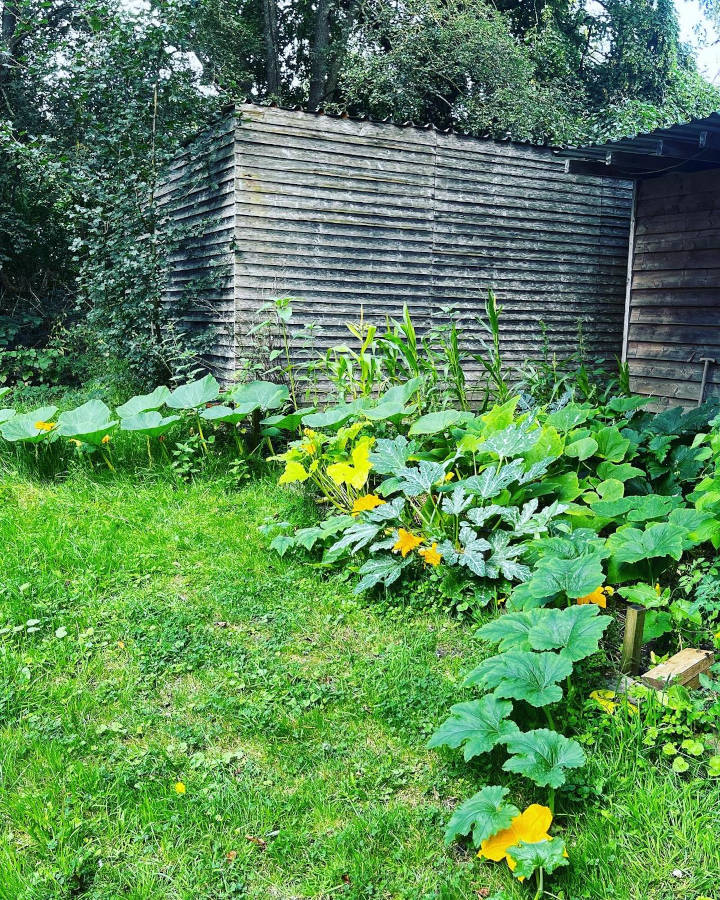
On the whole, no-dig, hand weed, add a thick layer of organic matter such as semi to well rotted leaf and grass mulch, mushroom compost and/or well rotted manure if you can get it to hand. I find the healthiest combination is to layer all of this, straight on the beds in thick layers during the quieter month and then to apply an extra layer a couple of times through the summer/growing season. This helps keep the top layer fresh and full of natural fertilizers.
Interestingly, our pet rabbits’ litter tray produces the perfect mix and I am now applying this every winter to my perennial borders! The final steps to being truly organic are to completely cut out any use of chemicals to deal with certain pests and disease. * to use a mix of planting that encourages the critters that will devour your pests, in the case of growing veg you can also use planting mixes to disguise your vegetables, act as sacrificial plants (common sacrificial plants such as Marigold and Nasturtium are very affective against blackfly among other things) I also stumbled across mixing Cosmos with Brassicas to put off Cabbage White butterfly, and it more or less did the trick!
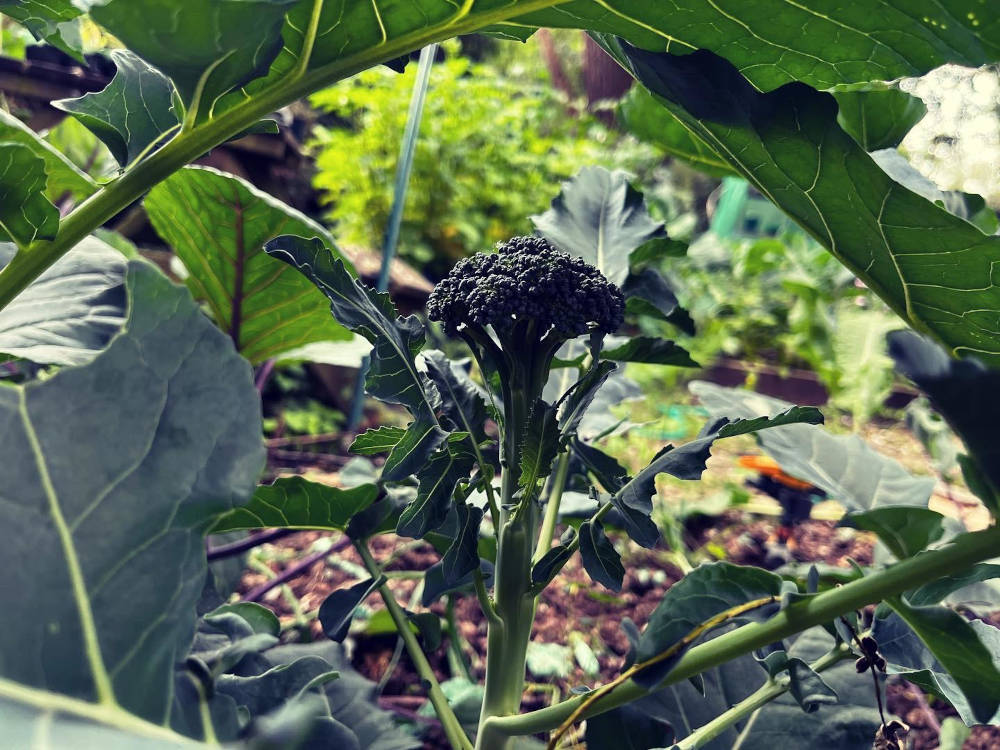
With all that in mind, you can adapt this to fit any style of garden, including one with an easy-care narrative. Increasing the biodiversity of your garden increases the potential for better growth and health of your prized stock. It’s amazing what a little bit of nature in the garden can do. You also get the bonus of attracting hedgehogs, birds and insects that deal with pests, some species you may not have seen for many years!